
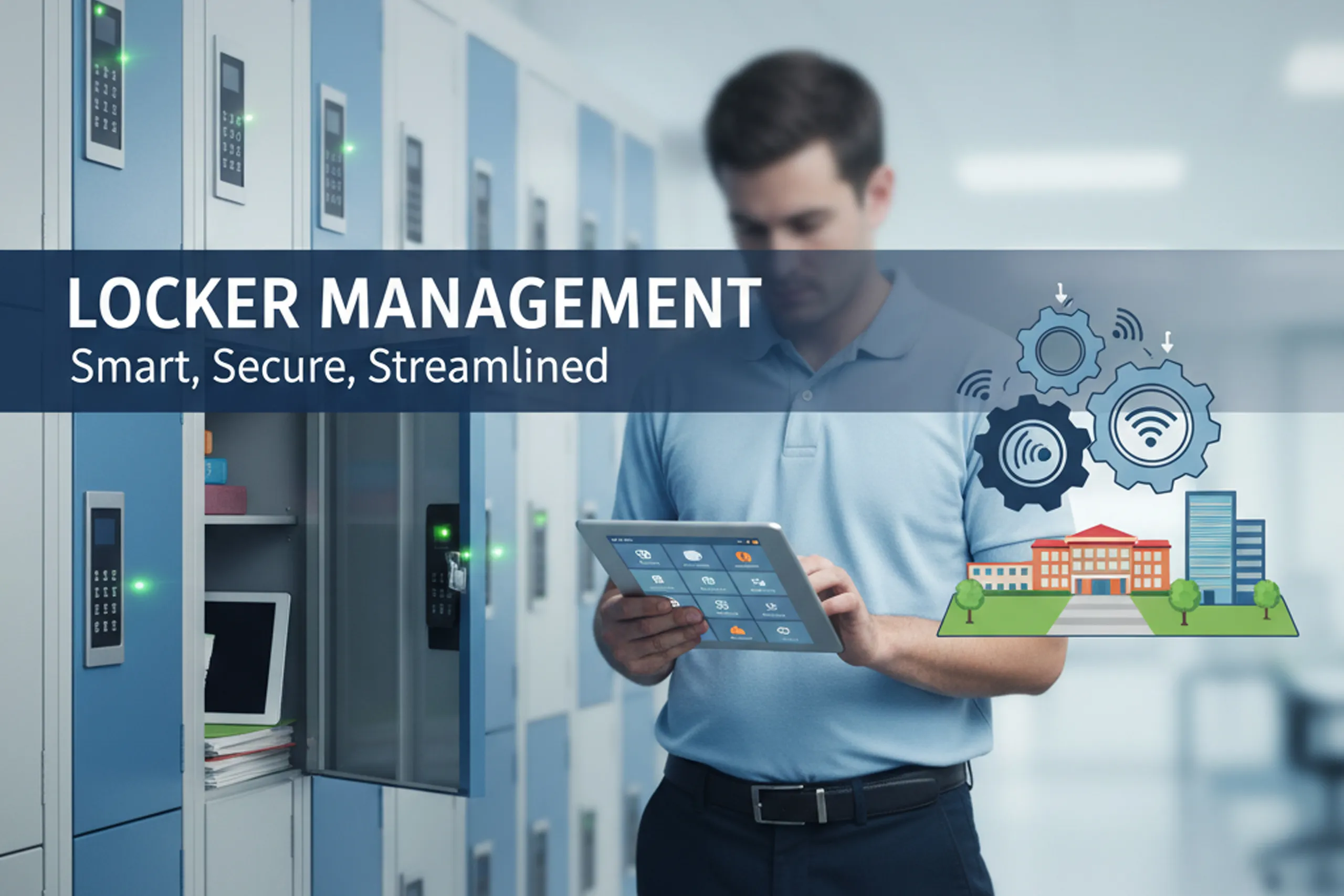
Locker Management
Challenges Faced
The client faced several operational challenges that slowed processes. Manual data entry
caused errors and delayed move-ins, while correcting leases and invoices was
cumbersome. Reporting was slow and inflexible, and accounting required manual
reconciliation. Communications and lease adjustments were handled manually, real-time
inventory visibility was missing, compliance was inconsistent, branch-level control was
limited, and integrations with payments and KYC systems were absent.
Operational Challenges
- Manual onboarding Delays
- Difficult document correction
- Weak reporting & analytics
- Internal Team communications
- Inflexible leasing options
- Limited inventory visibility
- Compliance complexity
- Operational security gaps
- Integration limitations
Our Assessment
Manual Data Entry
Repetitive entry and paper-based tasks caused delays and errors.
Disconnected Processes
Lease, payment, and document flows were not linked efficiently.
Limited Operational Visibility
Real-time tracking of lockers, occupancy, and customer data was missing.
Integration Gaps
Payments, communications, and KYC systems were not connected to operations.
Our Resolution Plan
Inventory-First Locker Model
Each locker was created as a serialized inventory item with unique IDs and
branch-specific locations. Status flags (Available, Occupied, Under Maintenance,
Overdue) were implemented, and metadata such as lease and warranty expiry
was tracked. Interactive maps were designed to give staff a real-time view of
locker availability at each branch
Customer and Agent Management
A customer master was created to manage individuals and companies, including
agents or nominees. Fields captured essential details such as name, contact,
passport, tax ID, and uploaded documents. Unique customer IDs were autogenerated, and all documents were stored digitally for easy retrieval.
Quote-to-Lease Workflow
A seamless flow from quotation to lease agreement was developed. Staff could
select available lockers by branch and type, choose the appropriate pricing plan,
and generate QR-coded payment links. Lease agreements were auto-numbered,
supported e-signatures, and attached all downstream documents for a complete
audit trail.
Payments and Security Deposits
Security deposit invoices were auto-generated based on locker type and lease
term. Recurring accounts receivable invoices were scheduled monthly, quarterly,
or yearly and linked to the payment gateway for automated processing.
Payment history included method, date, and transaction ID for accurate tracking.
Renewals and Late Fee Management
Configurable reminders for renewals and overdue payments were set up using
email and SMS integration. Late fee calculations applied daily or as a
flat/percentage penalty, automatically adjusting invoices. Notifications ensured
timely follow-up and reduced delinquencies.
Termination and Credit Notes
Termination workflows generated forms and credit notes for deposit refunds,
with options for manual adjustments in case of damages. Lockers were returned
to inventory with status updates, and “Under Maintenance” flags were set if
repairs were needed. Special forced-closure processes ensured proper
documentation with authority approval.
Document Templates
All documents, including leases, invoices, and receipts, were standardized with
bilingual templates. Auto-filled fields and validation rules reduced errors, while a
consistent numbering system (branch-year-serial) simplified retrieval and
compliance tracking
Reporting & Security
Interactive dashboards provided real-time occupancy, revenue, deposits,
delinquencies, and passport expiry tracking. Al-assisted scenarios helped with
pricing and operational decisions. Role-based access, audit trails, and branchlevel restrictions ensured operational security and governance, while
integrations with payment gateways, SMS/email, KYC/e-sign, and access
systems streamlined operations.
How It Improved Operations
- Move-ins became faster and more accurate, greatly reducing data entry errors.
- Real-time locker maps improved availability tracking, increasing occupancy utilisation by 25%.
- Integrated accounting automated reconciliation and streamlined taxation processes.
- Automated reminders and payment alerts improved flow and customer follow-up.
- Flexible lease adjustments allowed easy changes to locker size or billing period.
- Standardised templates and workflows reduced administrative corrections by 50%.
- Compliance and KYC improvements made regulatory checks more reliable and consistent.
-
Tags: